
Buyers
What Is a Final Walkthrough and What Should I Look For?
By Billy Deese — Owner / Designated Broker
Published Updated
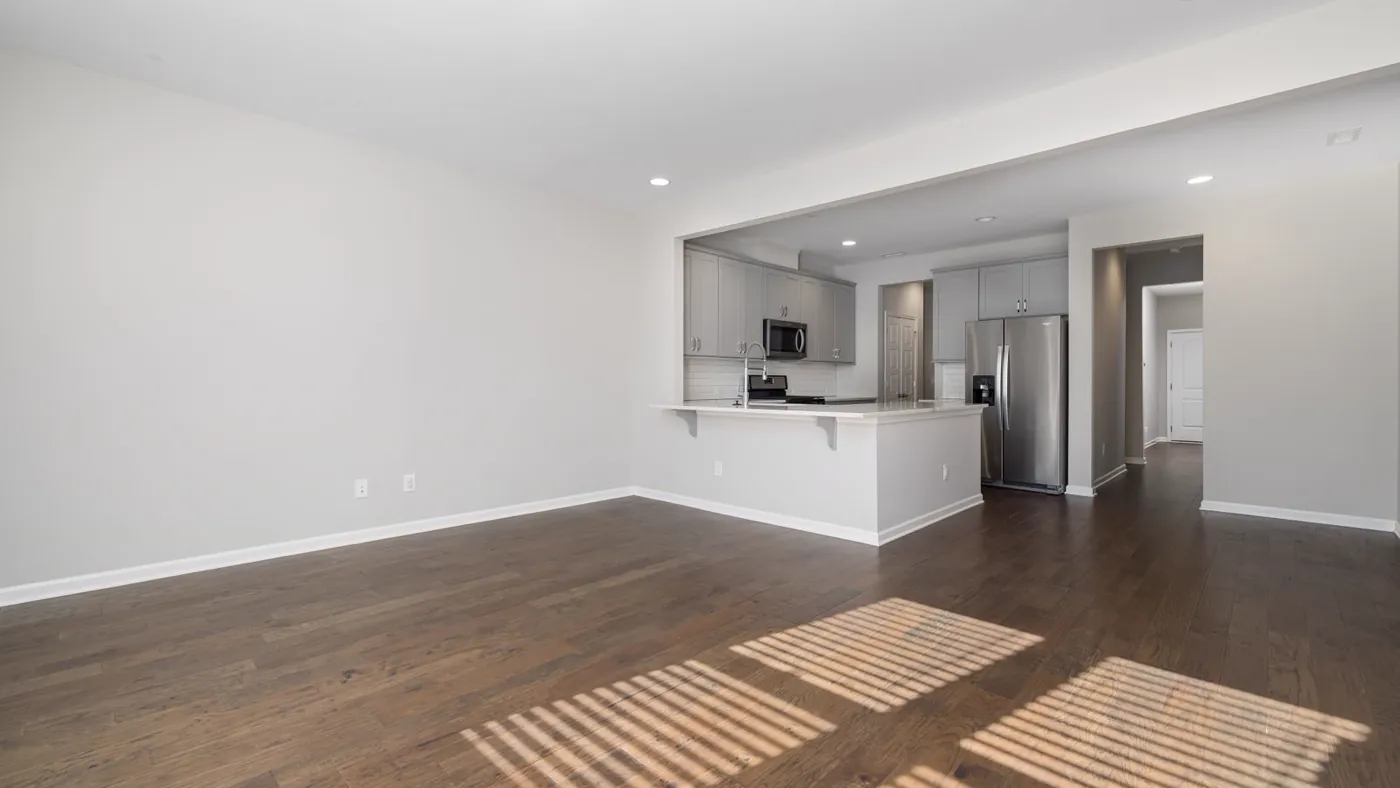
The walkthrough is not a second inspection and not a renegotiation. Here is what it is actually for, when it happens, what to check, and what your options are if something is wrong.
The final walkthrough is your chance to confirm that the house you are buying is still, in all the important ways, the house you agreed to buy.
It is short. It is often scheduled a day or two before closing. And it is easy to treat as a formality, right up until the moment it is not.
What It Is Not
It is not a home inspection. You are not evaluating the roof or diagnosing the furnace, that ship sailed during your inspection period.
It is not a chance to renegotiate price because you have had second thoughts.
It is not a design review. The paint color you disliked on tour day is still going to be there.
What It Actually Covers
Condition. Is the property in substantially the same condition as when you agreed to buy it, allowing for normal wear from the seller living there and moving out?
Agreed repairs. If the seller agreed to complete work, was it completed? Ask for receipts or invoices where applicable.
Included items. Appliances, window coverings, garage remotes, sheds, anything your contract says stays. Also check that items that were supposed to be removed are actually gone.
Damage from the move. Moving furniture out of a house sometimes reveals or creates damage, gouged floors, torn drywall, broken railings, a scraped door frame.
Systems and utilities. Utilities should generally still be on. Test what you reasonably can.
A Practical Walkthrough Checklist
Run water at every sink, tub, and shower, and look underneath for leaks.
Flush every toilet.
Turn on the heat, and the air conditioning if the season allows.
Open and close windows and exterior doors, and test the locks.
Test the garage door and confirm the openers are present.
Run each appliance that stays, at least briefly.
Flip every light switch and check outlets in the rooms you can.
Look at floors and walls now that furniture is gone, the empty house tells a different story than the staged one.
Check the basement or crawlspace access area for water, especially if it has rained.
Confirm the seller removed personal property, debris, and anything from the yard, garage, or storage areas.
Bring your inspection report and your contract. Memory is a poor substitute for both.
Timing Matters
Schedule it as close to closing as your contract and the seller's move allow, ideally after the seller has fully vacated. A walkthrough done while half the furniture is still in place tells you less.
If the seller is staying in the property after closing under a rent-back or possession agreement, discuss with your broker how condition is handled in that arrangement.
If Something Is Wrong
Do not sign first and complain later. Tell your broker immediately, document with photos and video, and get the issue in front of everyone before closing.
Possible paths depend on your contract and the severity: the seller completes the work, funds are held back or credited, the closing is delayed, or in serious cases other remedies in your agreement may apply. Your leverage is highest before signing and funding, and it drops sharply afterward.
Also be reasonable. A scuff on a wall is not a reason to blow up a closing. A missing dishwasher is a different conversation.
The Mindset
Twenty minutes of careful attention here can prevent a problem you would otherwise own permanently. Do not let anyone rush you, and do not skip it because the house was perfect last month.
Next: What happens on closing day when you buy a house?
General education, not legal advice. Your rights and remedies are governed by your specific contract.
Related guides
More on buying a home.
- How Much House Can I Afford in Spokane?How much house you can afford isn't just about the price a lender approves. Your payment, interest rate, taxes, insurance, debts, down payment, and the life you want to live after closing all matter. Here's how to think about a comfortable home-buying budget before you start shopping.
- What Actually Happens During a Home Inspection?A home inspection can feel intimidating, especially when the report comes back with dozens of items. Learn what an inspection actually does, what inspectors typically look for, what happens afterward, and why finding problems doesn't necessarily mean you should walk away from the house.
- Should I Rent or Buy a Home in Spokane?Buying isn't automatically better than renting, and renting isn't necessarily throwing money away. The right choice depends on your finances, how long you expect to stay, the flexibility you need, and what homeownership would actually cost you. Here's how to think through the decision without the sales pitch.
- Manufactured vs. Modular Homes in Spokane: What Buyers Actually Need to KnowStart by verifying how the home was built and classified. For a Spokane-area purchase, review the land arrangement, foundation, financing, and records—not just the label in the listing.
Start from the top of this topic: How Much House Can I Afford in Spokane?