
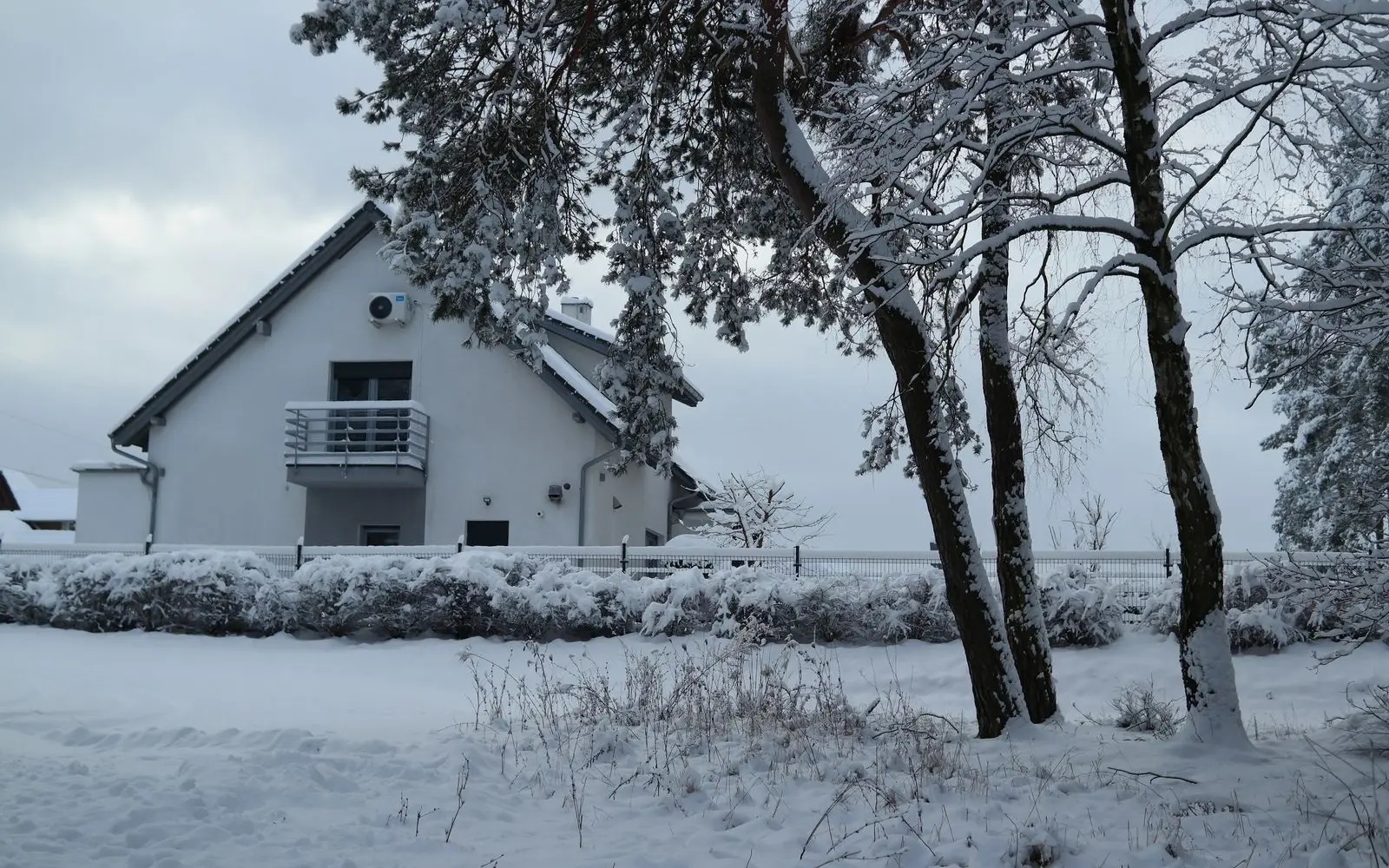
Winterize your home
If cold weather is coming, make sure your home is ready before Spokane winter shows up. A frozen hose bib is a cheap fix in October and an expensive one in January.
Outside water
Heat & air
Outside the house
How a sprinkler blowout works
Worth watching even if you plan to hire it out, so you know what you're paying for.
Honest take: a small pancake compressor won't move enough air to clear a typical system, and too much pressure cracks fittings and sprinkler bodies. Unless you already own a large compressor and know the right pressure for your pipe, this is one to hire out.
Local companies that do blowouts
Spokane-area options to call. We're not paid to list them and we don't get anything if you book, call around for current pricing and availability.
Freeze-protection basics
All of it fits in one bin in the garage, and it all pays for itself the first time a pipe doesn't burst. Grouped by the checklist section it belongs to.
Outside water
Once the hose is off and the bib is drained, a few dollars of insulated outdoor faucet covers (affiliate link, opens Amazon in a new tab) buys you the simplest freeze protection there is. Anywhere pipe runs through a crawlspace, garage, or unheated basement, slip on foam pipe insulation sleeves (affiliate link, opens Amazon in a new tab) , they cut with a utility knife and take an afternoon for a whole crawlspace.
Heads up: heat tape (affiliate link, opens Amazon in a new tab) is a last resort for the one pipe that freezes every single year, not a substitute for draining the line. Buy one listed by a recognized safety lab, match it to your pipe material, and follow the instructions exactly. Misused heat tape is a fire risk.
Heat and air
Walk the exterior doors on a cold morning with the back of your hand near the edges. Where you feel air moving, a weatherstripping kit and a door sweep (affiliate link, opens Amazon in a new tab) fix it in one afternoon, and you'll feel the difference in the room the same day. Measure the door before you buy, sweeps come in fixed lengths and are cut to fit.
About that outdoor unit: if the box outside is a heat pump, it runs all winter and needs airflow, so never wrap it. The most you want is a mesh top cover sized for a heat pump (affiliate link, opens Amazon in a new tab) that keeps falling icicles and roof debris off the fan while leaving all four sides open. If it's an air conditioner only, no heat from it, you can use a breathable air conditioner cover (affiliate link, opens Amazon in a new tab) or a simple square top cover (affiliate link, opens Amazon in a new tab). Measure the unit first, and check the manufacturer's guidance before covering anything.
Heads up: a full vinyl wrap traps moisture, invites mice into a warm dry box, and on a heat pump it can block the defrost cycle. Whatever you use, clear snow away from all sides so the unit can breathe, and take the cover off before the system runs in cooling.
Outside the house
Buy these in September, because in December the shelves are empty. A decent snow shovel (affiliate link, opens Amazon in a new tab) you picked out beats whatever is left at the hardware store the morning after the first storm. For walkways, look for ice melt labeled safer for pets and concrete (affiliate link, opens Amazon in a new tab) , plain rock salt is hard on newer concrete and on paws, so read the label for both claims rather than the front of the bag.