
Home safety & alarms
Check the alarms and learn where the shutoffs are before you ever need them.
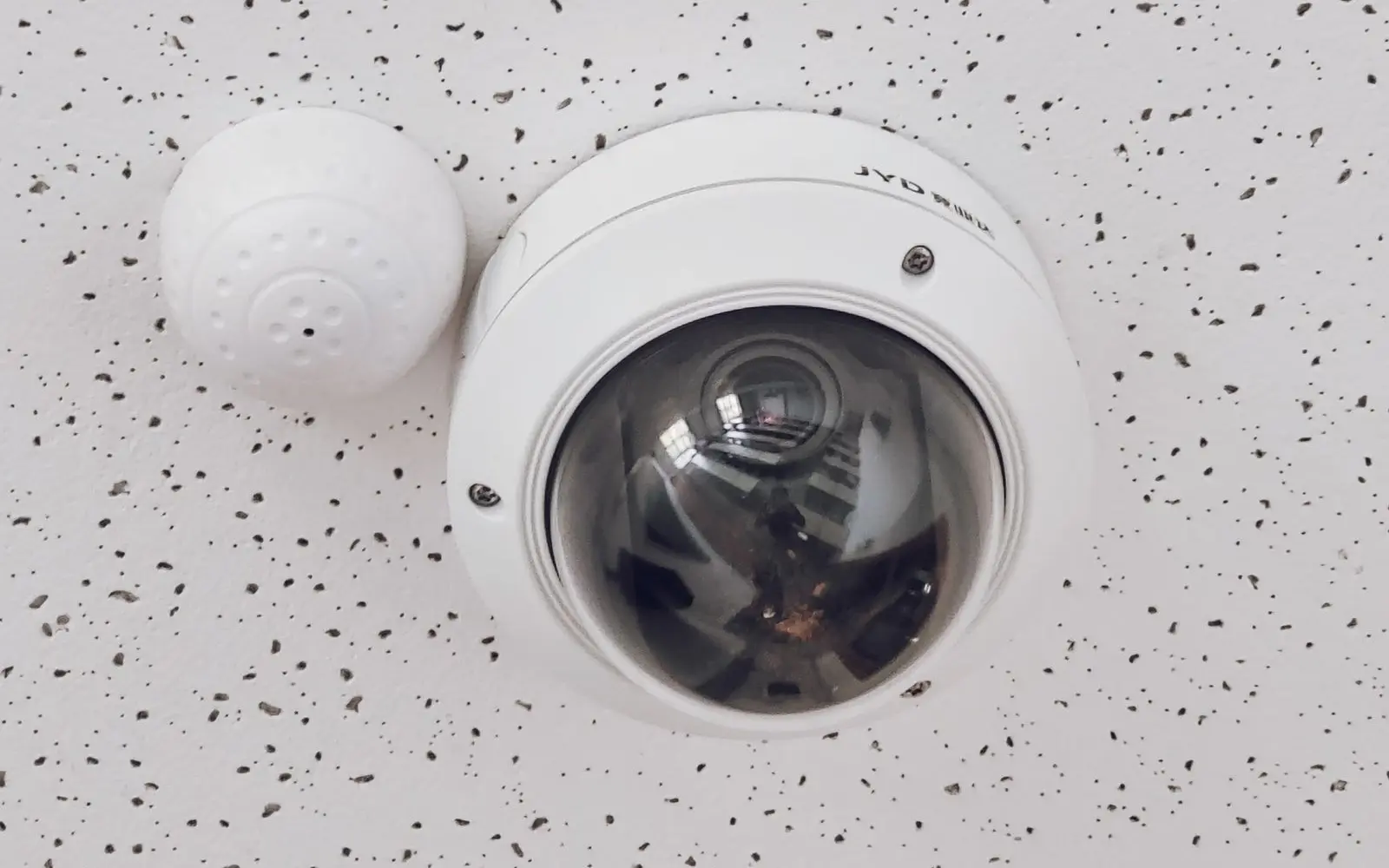
Test smoke and carbon monoxide alarms
Press and hold the test button on every alarm until it sounds. Replace the batteries, and replace any alarm older than ten years. CO alarms are required near sleeping areas in Washington.
Check the manufacture date printed on the back of each alarm, if it's more than ten years old, testing it doesn't help, because the sensor itself has aged out. Replacements are inexpensive, and a combination smoke and carbon monoxide alarm with a sealed ten-year battery (affiliate link, opens Amazon in a new tab) covers both jobs in one unit without the 3 a.m. low-battery chirp. If your alarms are wired into the ceiling and daisy-chained together, replace them with hardwired units using the same connector rather than battery-only ones, so they keep sounding as a set. While you're buying, a small ABC-rated fire extinguisher (affiliate link, opens Amazon in a new tab) near the kitchen and another in the garage is the cheapest safety upgrade in the house.
Two minutes on how to test them properly
From the National Fire Protection Association, the group that writes the fire codes. The same test-button routine applies to your carbon monoxide alarms.
Find the water shutoff and breaker panel
Before you need them at 11pm. Label the breakers while you're at it, it takes one evening and you'll be glad forever.