
Sellers
What Should I Fix Before Selling My House, and What Should I Leave Alone?
By Billy Deese — Owner / Designated Broker
Published Updated
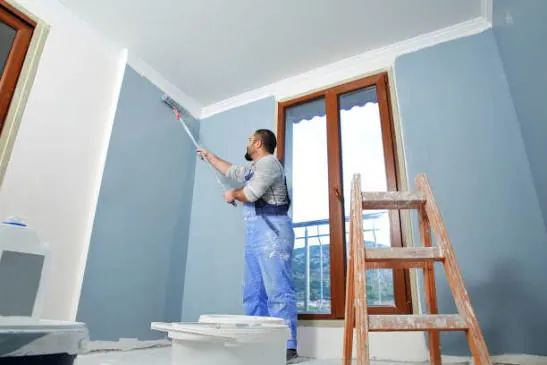
Before you start spending money getting your house ready to sell, figure out which repairs actually matter. Some improvements can help your home sell faster or for more money. Others may never pay you back. Here’s how to decide what to fix, what to clean up, and what to leave for the next owner.
Suddenly, every little thing you’ve ignored for the last five years is staring at you.
The scratched floor. The dripping faucet. The bedroom you painted a color that seemed like a great idea at the time. The 20-year-old furnace that still works just fine. And that bathroom you’ve been meaning to remodel since approximately 2017.
So what should you actually fix before putting your house on the market?
Probably less than you think.
The goal isn’t to turn your current house into your dream house right before handing the keys to somebody else. The goal is to identify the things that could hurt the sale, address the items that make financial sense, and avoid spending money you’re unlikely to get back.
Start With the Stuff Buyers Will Notice Immediately
Before thinking about remodeling anything, look at your home the way a buyer will see it.
Walk across the street and look back at the house.
Is the lawn overgrown? Are the gutters hanging crooked? Is the front door filthy? Are there weeds everywhere? Does the porch light work?
Then walk through the front door as though you’ve never been there before.
Buyers notice cleanliness, odors, clutter, damaged trim, burned-out light bulbs, dirty walls, loose handles and other small things surprisingly quickly.
Most of these aren’t expensive problems.
A deep cleaning, some yard work and a Saturday spent knocking out little repairs can sometimes do more for the presentation of a house than a much more expensive project.
Fix the Obvious Broken Stuff
If something is clearly broken and relatively inexpensive to repair, it usually deserves attention.
Think about things like dripping faucets, doors that won’t latch, loose railings, damaged switch plates, missing trim, holes in walls, broken cabinet hardware and lights that don’t work.
Why?
Because buyers rarely see just the broken doorknob.
They start wondering what else hasn’t been maintained.
Ten little unfinished repairs can create the impression that a house needs much more work than it actually does.
That doesn’t mean you need to make everything perfect. It means inexpensive, obvious defects are usually worth looking at before buyers start walking through the house.
Be Careful With Major Remodeling
This is where sellers can spend a lot of money unnecessarily.
You may hate your kitchen.
That doesn’t automatically mean you should spend $40,000 remodeling it before selling.
A buyer might have completely different taste. The cabinets you choose may not be the cabinets they would choose. The countertops you love might be the first thing they want to replace.
More importantly, spending $40,000 on a project does not automatically increase the sale price by $40,000.
Before undertaking a major renovation specifically for resale, ask a simple question:
What is this likely to do to my net proceeds?
If spending $10,000 is reasonably expected to improve the sale outcome by substantially more than $10,000, it deserves consideration.
If you’re spending $30,000 hoping someone might pay $20,000 more for the house, the math gets considerably less exciting.
Don't Automatically Replace Something Just Because It's Old
Old and broken are not the same thing.
Your furnace might be old but functioning properly.
Your roof might have some age on it without currently leaking.
Your water heater may not be new.
Those things can affect how buyers evaluate the property, and they may come up during an inspection. But automatically replacing every aging component before listing can get very expensive.
Sometimes replacement makes sense. Sometimes adjusting the asking price makes more sense. Sometimes you disclose the condition and let buyers decide.
The right answer depends on the property, the cost of replacement, the expected sale price and current market conditions.
What About Paint?
Paint is one of the more interesting pre-sale decisions because it can dramatically change how a room feels without requiring a full remodel.
If walls are heavily scuffed, damaged, unusually dark or covered in highly personalized colors, painting may improve the presentation.
But don't assume every room needs to become white, gray or beige just because you're selling.
If the existing paint is clean and reasonably appealing, repainting the entire house may be unnecessary.
The question isn't, "Would I choose this color today?"
It's, "Is this color likely to distract buyers from the house?"
That's a different question.
Should You Replace Flooring?
Again, condition matters.
A few scratches in hardwood floors are different from badly damaged flooring.
Carpet that's a little dated is different from carpet that's stained, torn or smells like the family dog has claimed permanent ownership of it.
Flooring covers a huge visual area, so poor condition can influence a buyer's impression of the entire house.
But replacement isn't automatically the answer.
Get the cost. Look at the likely impact on the sale. Then decide.
Sometimes professional cleaning is enough. Sometimes replacement makes sense. Sometimes the home's price should simply reflect its condition.
What About the Big Stuff?
Roof. Foundation. Electrical. Plumbing. HVAC. Sewer. Water intrusion.
Now we're talking about issues that can affect far more than appearance.
Significant defects may influence financing, insurance, inspections, negotiations and a buyer's willingness to proceed with the purchase.
They can also create disclosure obligations.
That still doesn't mean you automatically have to repair every major issue before selling.
Depending on the circumstances, you might repair it, obtain estimates so buyers understand the likely cost, price the property accordingly, offer a negotiated credit where appropriate, or market the property toward buyers willing and able to take on the work.
But ignoring a known major problem and hoping nobody notices is not a strategy we recommend.
Should I Get a Pre-Listing Inspection?
Sometimes.
A pre-listing inspection can identify problems before a buyer's inspector does. That can give you time to investigate repairs, obtain estimates and make decisions without being under the pressure of an inspection-response deadline.
There is another side to that coin.
Learning about previously unknown defects may create information you'll need to address appropriately when selling the property.
Whether a pre-listing inspection makes sense depends on the house and your circumstances. It isn't something every seller automatically needs.
Don't Forget About Disclosure
Washington sellers may have disclosure obligations regarding known conditions of the property. The exact requirements and exemptions depend on the transaction.
Repairs don't necessarily make disclosure questions disappear, either.
If you've had a significant issue with the property, don't assume that repairing it means you should pretend it never happened.
When you're unsure about a disclosure question, ask before answering it rather than guessing.
What If I Don't Have Money for Repairs?
Then don't assume you can't sell.
Homes sell in all kinds of conditions.
Some sellers simply don't have $20,000 sitting around to prepare a property for market. Others have the money but don't want to spend it.
The strategy may change.
Instead of completing repairs, you might obtain estimates, adjust the price, negotiate credits where appropriate or sell the property in its existing condition.
There can be tradeoffs. The pool of interested buyers may be smaller, and certain property conditions can create financing or insurance challenges.
But "I can't afford to fix everything" does not automatically mean "I can't sell my house."
Ask This Before Spending Any Money
Before approving a major pre-sale expense, ask these questions:
Will this problem prevent some buyers from purchasing the house?
Will it create a financing or insurance problem?
Will buyers likely discount the house by more than the repair would cost?
Will fixing it materially improve how the home shows?
Can the issue be handled another way?
And most importantly:
Am I likely to get this money back?
Sometimes the answer is yes.
Sometimes the answer is absolutely not.
Your House Doesn't Need to Be Perfect
This is probably the most important thing to understand.
Buyers aren't expecting every resale home to look brand new.
A 1970s house is allowed to look like a 1970s house. An older home can have older finishes. A house that's been lived in can show signs that people actually lived there.
The goal is not perfection.
It's to present the property well, eliminate unnecessary objections, deal responsibly with significant issues and make smart decisions about where your money will have the greatest impact.
Before you start remodeling your house for the person who hasn't even bought it yet, figure out what actually needs to be done.
You might discover that your pre-sale to-do list is a lot shorter, and cheaper, than you thought.
We make it easy.
This article is for general educational purposes and isn't legal, tax, inspection or construction advice. Property conditions and disclosure requirements vary, so obtain appropriate professional guidance for your specific situation.
Related guides
More on selling a home.
- What Does It Cost to Sell a House in Spokane?Selling your home for a certain price doesn't mean that's what you'll walk away with. Learn how broker compensation, Washington excise tax, title and escrow fees, property taxes, and mortgage payoffs affect your net proceeds, and how to estimate your bottom line before you list.
- How Long Does It Take to Sell a House?Days on market is only one chapter. Here is the full timeline from preparation through closing, what tends to stretch it, and what a seller can actually control.
- Should I Get a Home Inspection Before I List My House?An honest look at pre-listing inspections, the real advantages, the real drawbacks, what happens to what you learn, and the kinds of sellers who benefit most.
- Should I Sell My House As-Is?What "as-is" actually means (and does not mean), which sellers and properties it fits, how it affects buyers and financing, and why it never cancels your disclosure obligations.
Start from the top of this topic: What Does It Cost to Sell a House in Spokane?