
Real Estate Careers
What Should a New Real Estate Agent Expect During Their First 90 Days?
By Billy Deese — Owner / Designated Broker
Published Updated
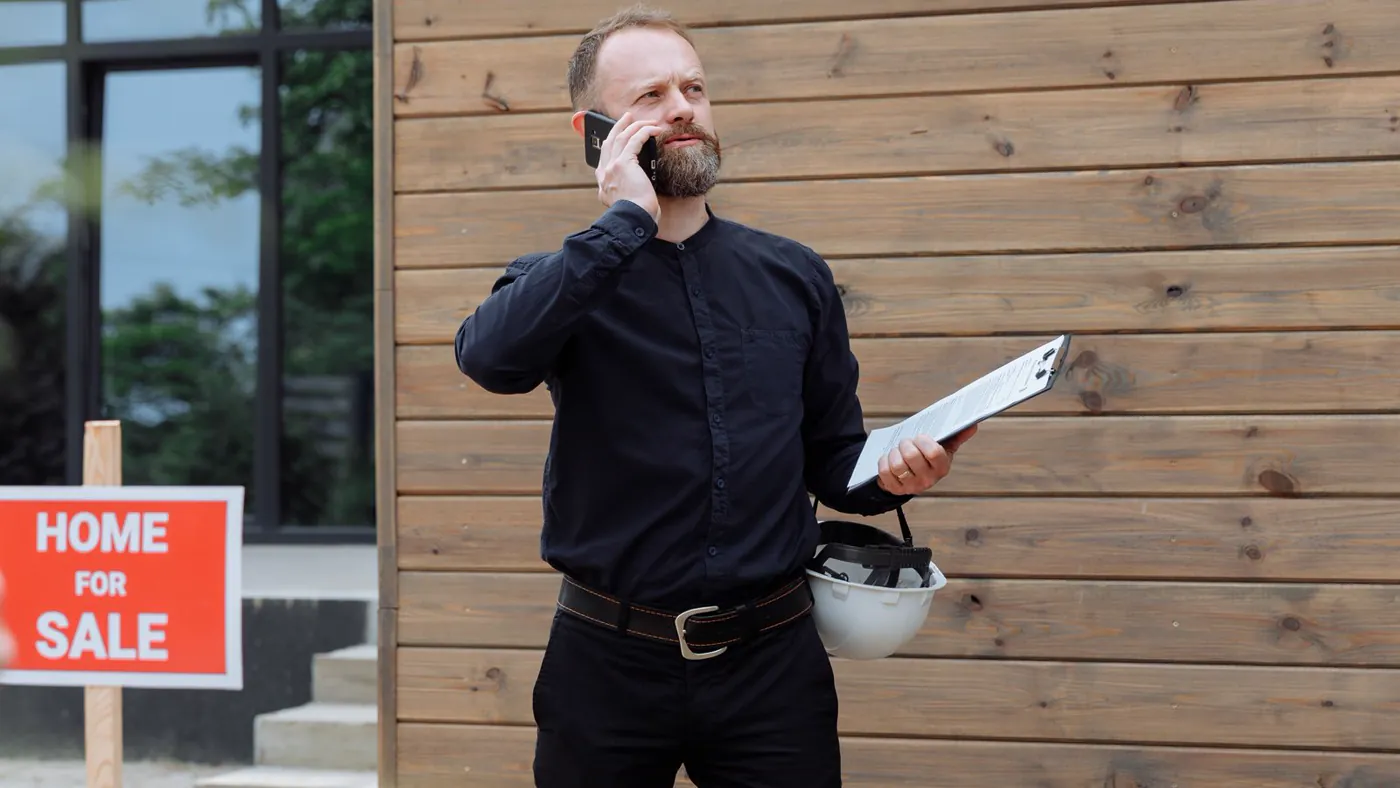
A realistic plan for the first three months: learning the contracts and the process, building daily prospecting habits, getting in front of people, and creating routines that survive a slow month.
The first ninety days set the habits you will run on for years. That is the real reason this period matters, not because you are supposed to close five deals, but because whatever you do daily now becomes what you do.
Here is a realistic version, without the motivational poster stuff.
Expect It to Be Quiet
Real estate has a long lag between activity and income. Work you do in month one may pay in month five. That gap is where most new agents quit, and knowing about it in advance is genuinely protective.
Plan your finances accordingly. Understand your runway before you start, not in month four. How much does it really cost to be a real estate agent? covers the expense side.
Days 1 through 30: Competence and Contacts
Learn the paperwork. Read the purchase and sale agreement and the common addenda until you understand what each section does. Ask your broker to walk you through a completed file. Nothing builds confidence faster than knowing what happens after an offer is accepted.
Learn the process end to end, inspection, appraisal, title, financing, closing. Reading the buyer and seller articles in this Learning Center from the consumer side is a fast way to see the whole arc.
Build your sphere list and contact every single person in it. See How do new real estate agents actually get their first clients?
Set up your CRM and your calendar. Simple beats sophisticated.
Preview homes constantly. Walk inventory across price points and neighborhoods so you develop actual judgment about value and condition.
Attend every training your brokerage offers, and go to office meetings even when you have nothing to report.
Shadow experienced agents. Ask to tag along on inspections, listing appointments, and showings. Most agents will say yes if you make yourself useful.
Days 31 through 60: Reps
Host open houses regularly.
Hold your daily prospecting block. Same time every day, protected like an appointment, because it is one.
Start converting conversations into appointments. Buyer consultations, listing presentations, coffee with someone thinking about next spring, the appointment is the unit of progress in this business, not the lead.
Practice your presentations out loud before you need them. Your first listing presentation should not be the first time you have said any of it.
Refine your follow-up. Everyone you spoke to in month one should have a next touch scheduled.
Days 61 through 90: Consistency and Adjustment
Keep the same routine going. The point of month three is that it looks like month two, which looked like month one. Consistency is the skill.
Review your numbers: conversations had, appointments set, appointments held, clients working with you, transactions pending. If appointments are not happening, the problem is upstream in conversations, not downstream in closing skills.
Ask for feedback from your broker or mentor on an actual file or presentation, not in general terms.
Adjust the channel, not the discipline. If open houses are producing and cold outreach is not, do more open houses. Do not use that as a reason to stop having conversations.
A Reasonable Daily Structure
Some version of: an hour of learning or previewing, a protected prospecting block, follow-up on everyone you have already met, and time in the field, showings, open houses, appointments, or walking neighborhoods.
Protect the prospecting block above everything except client work. Administrative tasks expand to fill whatever space you allow, and they feel like work while producing nothing.
What Success Actually Looks Like at Day 90
Not necessarily closed transactions. More like: you know the contracts, you have talked to everyone you know, you have a system for follow-up, you have held real appointments, and you have a daily routine you can sustain.
Some new agents close in the first ninety days. Plenty of excellent long-term agents do not. The ones who last are not the ones who got lucky early, they are the ones who built the habit before the results showed up.
Also Worth Deciding Early
Whether you want to be solo or part of a team affects almost everything above. See Should I join a real estate team or work as a solo agent?
Related guides
More on becoming an agent.
- Take the Required Real Estate CoursesWhat courses do you need to take in order to start the process of getting your license? How long will it take?
- How Much Does It Cost to Become a Real Estate Agent in Spokane?The exact costs and breakdown of where that money goes.
- What to Do After You Get Your Real Estate LicenseThings you should do after getting your real estate license.
- Apply for Your Washington Real Estate LicenseHow to apply for your Washington real estate license. What steps to take and where to take them.