
Sellers
What Happens After I Accept an Offer on My House?
By Billy Deese — Owner / Designated Broker
Published Updated
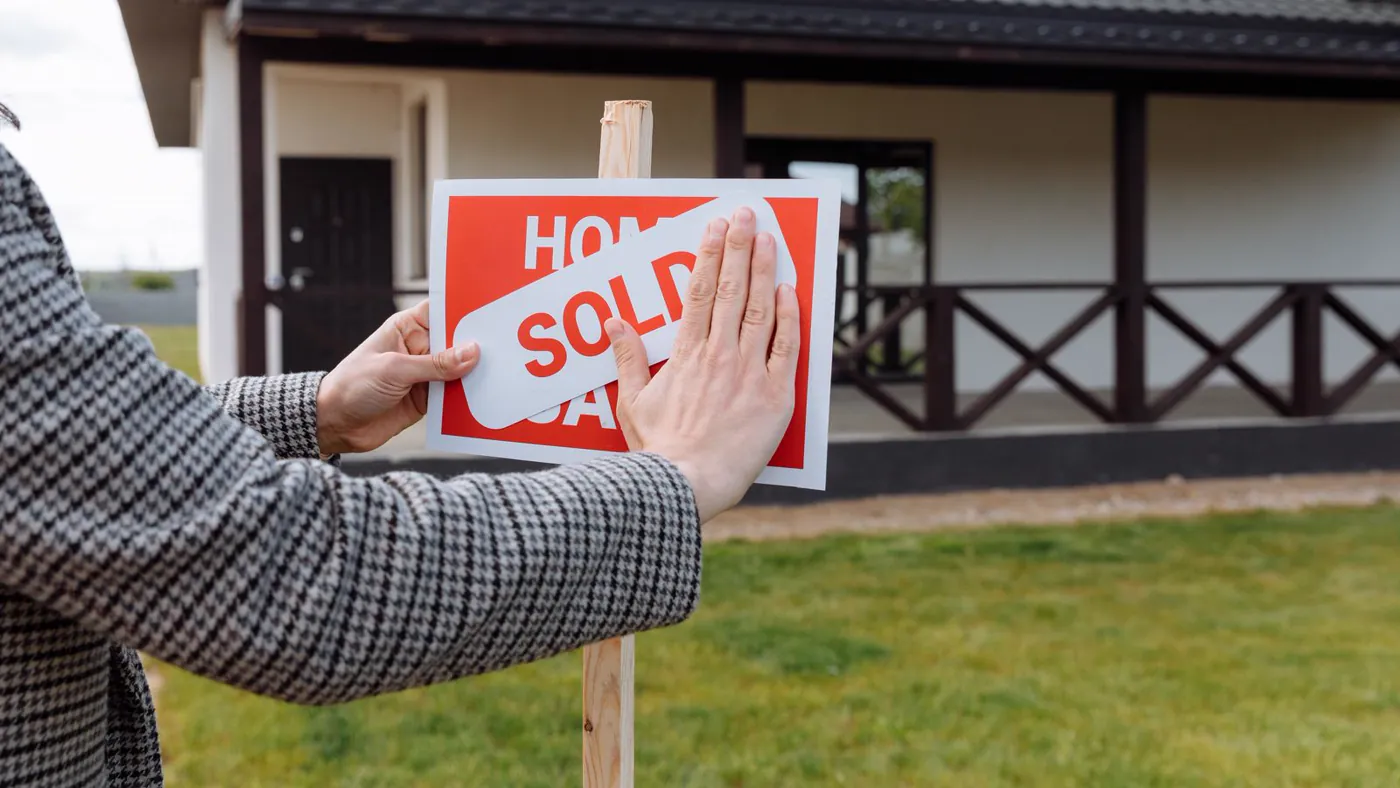
A chronological walkthrough for sellers: earnest money, inspection and negotiation, appraisal, title, buyer financing, repairs, moving, signing, payoff, and getting your proceeds.
Accepting an offer feels like the finish line. It is closer to halftime.
Here is what generally happens next, in roughly the order it happens. Timelines depend on your contract, the buyer's loan, and the property.
Mutual Acceptance and Deadlines
Once both parties have signed the same terms, every date in the contract is live. Your broker should give you a written timeline. Keep it somewhere you will actually look at it.
Earnest Money Is Deposited
The buyer deposits their earnest money, typically with the escrow or title company, within the timeframe the contract specifies. It is held per the contract, not handed to you.
The Buyer's Inspection
Usually scheduled quickly. Expect an inspector and possibly specialists, sewer scope, roof, structural, pest, plus the buyer walking around opening things.
Practical seller notes: make the house accessible, ensure utilities are on, provide access to the attic, crawlspace, electrical panel, and furnace, and leave for a few hours. Standing over an inspector helps nobody.
Inspection Negotiation
This is where most transactions get bumpy. The buyer may request repairs, a credit, a price adjustment, or may terminate within their contingency period.
A few things that help:
Separate the significant from the cosmetic. Safety, water, structure, and major systems are reasonable subjects. A missing outlet cover is not.
Get bids before agreeing to open-ended repair language. "Seller to repair" without a defined scope creates arguments later.
Consider credits instead of repairs when it fits, the buyer handles the work to their standard, and you are not managing contractors while moving.
Remember you can say no. You may lose the buyer, and sometimes that is the right trade. But also consider that the next buyer's inspector will likely find the same things, and now you know about them and generally must disclose them.
Related: What happens when a buyer asks for repairs after the inspection?
Appraisal
If the buyer is financing, their lender orders an appraisal. You do not attend and do not control it. You can make sure the home is clean and accessible, and your broker can provide relevant information about the property and recent comparable sales.
If it comes in below the contract price, there are several possible paths and your contract governs which ones apply. You are not automatically required to reduce your price. See What happens if the appraisal comes in low?
Title Work
The title company researches ownership, liens, easements, and anything else recorded against the property. If something unexpected surfaces, an old lien that was never released, a boundary question, an estate matter, start solving it immediately. Title problems discovered late are the most common cause of a delayed closing that nobody saw coming. For the plain-English version of what title and escrow are doing, see What Do Title and Escrow Actually Do When I am Selling My House?.
Buyer Financing
Underwriting continues in the background. Occasionally a lender requires something related to the property. Your broker should be in contact with the buyer's lender for status updates rather than assuming silence means progress.
Repairs and Documentation
If you agreed to repairs, complete them by the deadline and keep receipts and invoices. Buyers verify at the final walkthrough.
Moving Out
Plan backward from your possession date. Remove everything, including items in the garage, shed, crawlspace, and yard. Leave the house clean. Leave behind manuals, remotes, extra keys, garage openers, and paint cans if that was agreed.
The Buyer's Final Walkthrough
Shortly before closing, the buyer confirms condition, agreed repairs, and included items. The easiest way to pass a walkthrough is to leave the house in the condition you promised.
Signing, Closing, and Getting Paid
Sellers often sign before buyers. Your mortgage payoff, any liens, excise tax, and transaction costs are handled through escrow, and your net proceeds are disbursed after the transaction records.
Full detail in What happens on closing day when you sell a house?
The Seller Mindset for This Period
Be responsive, be accurate, be documented. Most seller-side problems in this stretch come from delayed responses, vague repair agreements, or something that should have been disclosed earlier.
We make it easy.
Related guides
More on selling a home.
- What Does It Cost to Sell a House in Spokane?Selling your home for a certain price doesn't mean that's what you'll walk away with. Learn how broker compensation, Washington excise tax, title and escrow fees, property taxes, and mortgage payoffs affect your net proceeds, and how to estimate your bottom line before you list.
- How to Sell Your Home Without a Real Estate Agent: The Complete FSBO GuideA start-to-finish Washington guide to pricing, preparing, marketing, showing, negotiating, and closing a home sale without a listing agent.
- What Happens on Closing Day When You Sell a House?Signing, payoff, recording, possession, and proceeds, the actual order of events for a seller, and why the transaction may not legally close on the day you sign.
- Do I Need to Stage My House Before Selling?Full staging, partial staging, or just a very clean house, what each approach does, how occupied and vacant homes differ, and when paying for staging is not worth it.
Start from the top of this topic: What Does It Cost to Sell a House in Spokane?