Buyers
Should I Rent or Buy a Home in Spokane?
By Billy Deese — Owner / Designated Broker
Published Updated
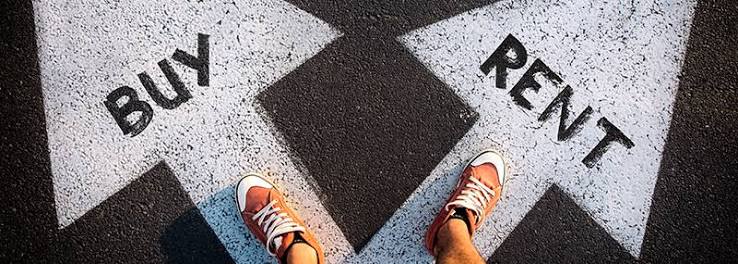
Buying isn't automatically better than renting, and renting isn't necessarily throwing money away. The right choice depends on your finances, how long you expect to stay, the flexibility you need, and what homeownership would actually cost you. Here's how to think through the decision without the sales pitch.
“Renting is just throwing money away.”
You’ve probably heard that one.
Usually from someone who owns a house.
Buying a home can absolutely be a great financial decision. It can also be the wrong decision at the wrong time.
And renting can sometimes be the smarter choice.
If you’re trying to decide whether you should buy a home in Spokane or keep renting, the answer shouldn’t come from a slogan.
It should come from your numbers and your life.
Renting Isn't Throwing Money Away
Let's get this out of the way first.
You pay rent in exchange for somewhere to live.
That's not throwing money away any more than paying for electricity, insurance, groceries or a hotel room is throwing money away.
What renting generally doesn't give you is ownership of the property or the potential to build equity in it.
That's an important difference.
But renters also aren't usually responsible for replacing the roof, repairing the furnace, fixing a sewer line or coming up with thousands of dollars when something expensive breaks.
You're paying for housing and, in many cases, transferring some of the financial risk and maintenance responsibility to the property owner.
There is value in that.
Buying Can Help You Build Equity
When you buy with a mortgage, part of your principal-and-interest payment goes toward reducing the amount you owe on the loan.
Over time, that can help build equity.
Your equity can also increase if the property's value rises.
But appreciation is not guaranteed, especially over short periods.
Home values can rise, flatten or decline. And during the early years of many mortgages, a larger portion of the principal-and-interest payment goes toward interest than principal.
Buying a house should not be treated as a guaranteed short-term investment.
Your Mortgage Payment Isn't the Whole Cost of Owning
This is where rent-versus-buy comparisons sometimes get misleading.
Someone says:
“My rent is $2,000, and I could have a $2,000 mortgage payment. I should obviously buy.”
Maybe.
But make sure you're comparing the same things.
Homeownership can also involve property taxes, homeowners insurance, mortgage insurance when applicable, HOA dues, utilities, repairs and ongoing maintenance.
And then there are the big expenses that don't happen every month.
Roof.
Furnace.
Water heater.
Sewer.
Appliances.
Exterior maintenance.
A mortgage payment might stay relatively predictable if you have a fixed-rate loan, but the total cost of owning the house won't necessarily stay exactly the same.
Renting Usually Gives You More Flexibility
This one matters more than people sometimes admit.
What does your life look like over the next few years?
If you might move for work, leave Spokane, change careers, get married, expand your family or simply aren't sure where you want to live, renting can give you flexibility.
Selling a house takes time and costs money.
If you buy today and need to sell relatively soon, appreciation may not be enough to offset the transaction costs of buying and selling.
The longer you expect to stay in the home, the more opportunity you generally have to spread those transaction costs over time and potentially build equity.
There isn't one magic number of years that makes buying automatically better.
Buying Gives You More Control
Want a dog?
Want to paint your bedroom dark green?
Want to replace the cabinets?
Want to put up a fence, subject to applicable rules and permits?
Homeownership generally gives you considerably more control over your living space than renting.
You also aren't waiting for a landlord to decide whether your broken dishwasher deserves attention.
But control comes with responsibility.
When the dishwasher breaks, congratulations.
It's your dishwasher.
What About Stability?
Homeownership can provide a type of housing stability that renting may not.
With an appropriate fixed-rate mortgage, the principal-and-interest portion of your payment doesn't change simply because market rents increase.
Taxes, insurance, HOA dues and other ownership costs can still change.
Renters may face rent increases or have to move when a lease ends, subject to applicable laws and lease terms.
On the other hand, homeowners don't have the flexibility to simply give notice at the end of a lease and move without dealing with the property they own.
Stability and flexibility are often two sides of the same decision.
Do You Have Enough Money to Buy?
Don't just ask whether you have enough for the down payment.
Think about the entire transaction.
You may need money for a down payment, closing costs, inspections, moving expenses and other purchase-related costs.
Then ask another question:
How much money will I have left after closing?
If buying a house requires draining nearly every dollar from your savings, you may want to think carefully about whether now is the right time.
Because houses have an impressive ability to discover expensive problems immediately after you become responsible for them.
You Don't Necessarily Need 20% Down
One of the reasons people postpone buying is the belief that they must save 20% of the purchase price first.
That's not necessarily true.
Different mortgage programs have different down-payment requirements, and qualified buyers may have access to low-down-payment or certain zero-down-payment programs.
Whether one of those programs makes sense for you is a conversation to have with a licensed mortgage professional.
Don't assume you can't buy until you've actually looked at your options.
Your Credit and Debt Matter
Your income is only part of the financing picture.
Lenders may consider your credit, monthly debt obligations, employment and income documentation, available funds and other factors when evaluating a mortgage application.
If you're carrying significant high-interest debt or your credit needs work, buying immediately may not be your best financial move.
Sometimes the smartest home-buying decision is spending six or twelve months getting yourself into a stronger position first.
The houses will still be here.
Don't Buy Just Because You're Afraid Prices Will Go Up
Fear is a terrible reason to make a major financial decision.
Nobody can promise you what Spokane home prices or mortgage rates will do next.
Prices could rise.
They could flatten.
Rates could fall.
They could rise.
Trying to perfectly time both the housing market and mortgage rates is difficult.
A better question is whether buying makes sense based on your circumstances and the numbers available today.
Don't Keep Renting Just Because Rates Aren't Where You Want Them Either
The opposite can also happen.
A buyer decides they will purchase as soon as mortgage rates reach a particular number.
Then they wait.
And wait.
Meanwhile, home prices, rents, inventory and their own circumstances continue changing.
Rates matter. They can materially affect your monthly payment.
But they are one part of the decision.
Look at the entire picture rather than making your housing decision dependent on predicting one number.
Run the Numbers for Your Actual Situation
Instead of asking whether buying is “better” than renting in general, compare your real options.
What are you paying in rent?
What kind of home would you actually buy?
What would your estimated total monthly housing cost be?
How much cash would you need at closing?
How much would you have left afterward?
How long do you realistically expect to live there?
What maintenance responsibilities would you be taking on?
What matters more to you right now: flexibility or stability?
Those questions will tell you much more than somebody saying, “You should buy because you're wasting money on rent.”
There Is Nothing Wrong With Waiting
This deserves its own section.
We sell houses for a living.
And sometimes we're going to tell somebody that buying a house right now doesn't make sense.
Maybe you need to improve your credit.
Maybe you need more savings.
Maybe your job situation is uncertain.
Maybe you expect to leave Spokane next year.
Maybe the monthly payment you're comfortable with doesn't buy a house you'd actually want to own.
That's okay.
Buying a home is a major financial commitment. The objective shouldn't be to become a homeowner as quickly as possible.
It should be to become a homeowner when it makes sense for you.
And There Is Nothing Wrong With Being Ready Now
You also don't need to wait until every part of your financial life is perfect.
If your income is stable, the payment works, you have appropriate funds available, you expect to stay for a while and you're comfortable taking on the responsibilities of ownership, it may be worth exploring.
You don't have to decide today.
You can talk with a lender, understand your financing options and look at what homes are actually available in your comfortable price range.
Information isn't a commitment.
The Bottom Line
Renting gives you housing without taking on all the responsibilities and risks of ownership.
Buying gives you the opportunity to build equity, create a more permanent home and have greater control over the property.
Neither one is automatically the smarter decision.
If buying improves your life and the numbers work, let's look at houses.
If renting makes more sense right now, keep renting.
We're still happy to help you understand the numbers so that when the time is right, you'll know it.
We make it easy.
This article is for general educational purposes and isn't financial, tax, legal or mortgage advice. Financing options and housing costs vary by borrower and property. Consult the appropriate professionals about your individual circumstances.
Related guides
More on buying a home.
- How Much House Can I Afford in Spokane?How much house you can afford isn't just about the price a lender approves. Your payment, interest rate, taxes, insurance, debts, down payment, and the life you want to live after closing all matter. Here's how to think about a comfortable home-buying budget before you start shopping.
- Manufactured vs. Modular Homes in Spokane: What Buyers Actually Need to KnowStart by verifying how the home was built and classified. For a Spokane-area purchase, review the land arrangement, foundation, financing, and records—not just the label in the listing.
- How Do You Finance Vacant Land in Spokane? What Buyers Need to KnowVacant land can be financed, but it does not work exactly like a normal home mortgage. Learn how land loans, construction financing, owner financing, and Spokane-area buildability due diligence fit together before you buy.
- What Does a Mortgage Lender Actually Need From You?Pay stubs, W-2s, tax returns, bank statements and the stuff lenders keep asking for, plus what you actually need before you make the first call.
Start from the top of this topic: How Much House Can I Afford in Spokane?