
Sellers
How to Sell Your Home Without a Real Estate Agent: The Complete FSBO Guide
By Billy Deese — Owner / Designated Broker
Published Updated
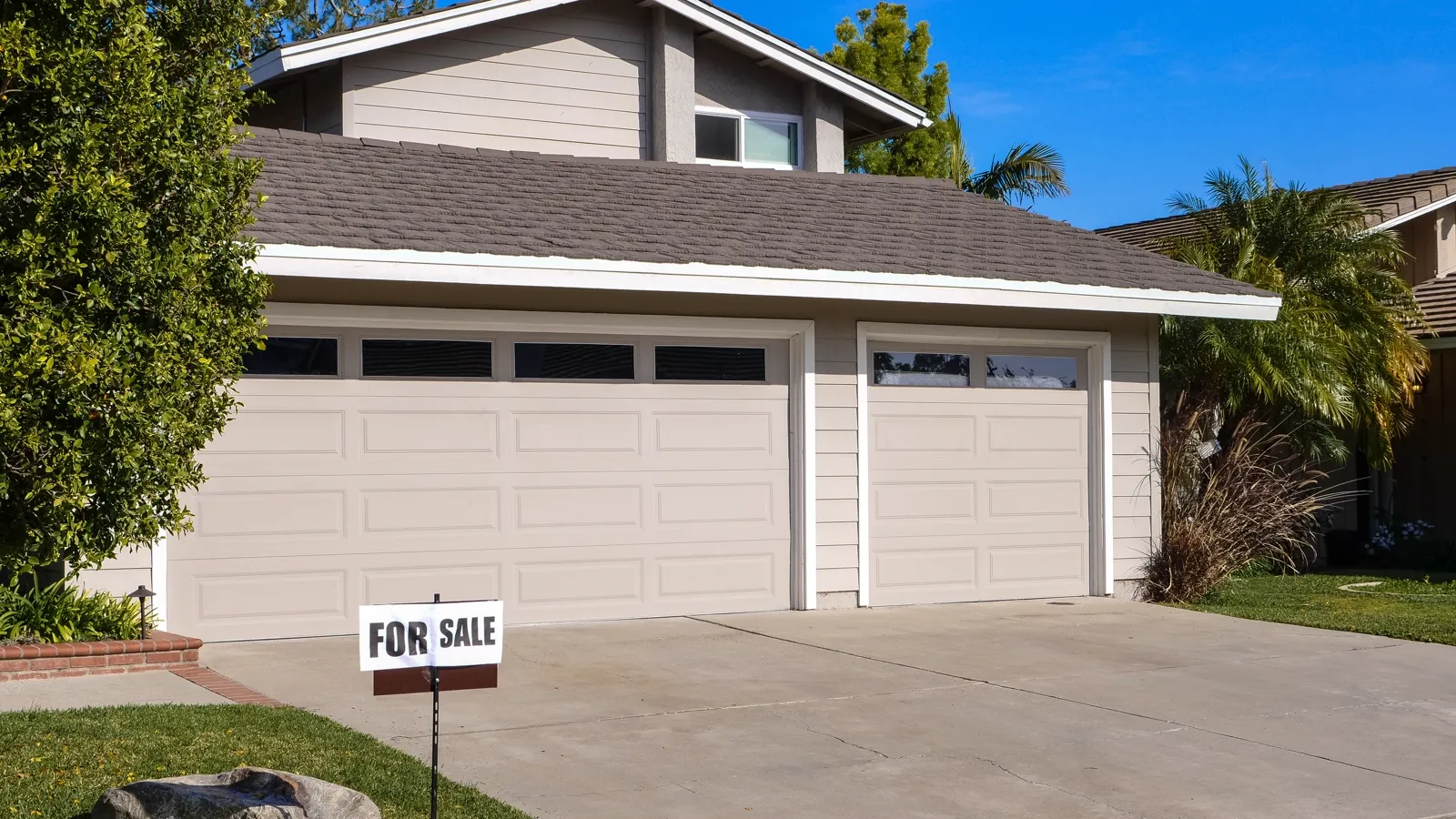
A start-to-finish Washington guide to pricing, preparing, marketing, showing, negotiating, and closing a home sale without a listing agent.
Yes, you can sell your home without a real estate agent.
People do it every day.
But selling a house yourself involves quite a bit more than putting a "For Sale By Owner" sign in the yard, throwing some pictures on Zillow, and waiting for somebody to show up with a check.
When you sell your home yourself, commonly called FSBO, or For Sale By Owner, you become the listing agent, marketing department, showing coordinator, buyer screener, negotiator, transaction coordinator, and deadline tracker.
That doesn't mean you shouldn't do it.
It just means you should understand exactly what you're signing up for before you start.
This guide walks through the entire process from beginning to end, including pricing, preparing the home, marketing it, screening buyers, handling showings, negotiating offers, inspections, appraisals, title, escrow, closing, and some of the things that can go sideways along the way.
This guide is written primarily for Washington homeowners. Real estate laws, contracts, disclosure requirements, taxes, and closing practices vary by state, so if you're selling somewhere else, you'll want to verify your state's requirements.
And one important disclaimer before we get going: this is educational information, not legal or tax advice. If you're selling without professional real estate representation, having a good real estate attorney available is a very smart idea.
First: What Does Selling FSBO Actually Mean?
Selling FSBO simply means you aren't hiring a real estate brokerage to represent you as the seller.
It does not mean you have to perform every single job yourself.
You can still hire a photographer.
You can hire an appraiser.
You can hire an attorney.
You can use a title and escrow company.
You can pay for a flat-fee MLS service.
You can hire contractors, inspectors, cleaners, stagers, movers, or whoever else you need.
In fact, trying to save money by refusing to hire anybody is usually where this gets unnecessarily difficult.
The goal isn't to prove that you can personally perform every job involved in a real estate transaction.
The goal is to successfully sell your house.
Step One: Make Sure You Can Actually Sell the Property
Before taking pictures, setting a price, or putting a sign in the yard, make sure there aren't ownership or title problems that are going to surprise you three weeks before closing. Who legally owns the property? Is your spouse on title? Is an ex-spouse still on title? Is the property owned by a trust? An LLC? An estate? Are there deceased owners who were never properly removed from title? Are you going through probate? Is there a bankruptcy involved?
Are there liens, judgments, unpaid taxes, contractor liens, child-support liens, or other claims against the property? Do you have a mortgage? A second mortgage? A HELOC? A solar-panel loan? A leased security system? A shared driveway or access agreement? An easement?
One of the smartest things you can do early is contact a title company and ask about opening preliminary title work on the property.
Title insurance is designed to deal with issues involving ownership, liens, legal descriptions, prior claims, and other title matters. Learn more from the Washington Office of the Insurance Commissioner.
Finding a title problem the week before closing is stressful.
Finding it before you put the house on the market gives you time to fix it.
Figure Out What You Actually Need to Net
Don't confuse your sales price with the amount you're going to walk away with.
Those are very different numbers.
Before deciding what price you'll accept, calculate your expected selling expenses.
Those may include your mortgage payoff, second mortgages or HELOCs, Washington Real Estate Excise Tax, local real estate excise tax, title insurance, escrow fees, recording or reconveyance fees, property-tax prorations, utility charges or holdbacks, attorney fees, repairs, buyer closing-cost contributions, and potentially buyer-broker compensation.
Washington charges Real Estate Excise Tax when real property is sold. The state portion uses graduated rates, and local REET may be added as well. Those rates and thresholds can change, so calculate them using current Washington Department of Revenue information rather than an old online chart.
You should know your approximate net proceeds before the first offer arrives.
Otherwise, a buyer can offer you what sounds like a great price while asking for enough credits, repairs, compensation, and concessions that the offer isn't nearly as good as it first appeared.
Price the House Correctly
This is one of the hardest parts of selling your own home.
And Zillow doesn't get the final vote.
Your neighbor doesn't get the final vote.
The amount you spent remodeling the kitchen doesn't get the final vote.
And unfortunately, the amount you need to get out of the house doesn't get the final vote either.
The market does.
Start by looking at homes that have actually sold, not just homes that are currently listed.
An active listing tells you what another seller is asking.
A closed sale tells you what a buyer actually paid.
Look for homes similar to yours in location, size, age, condition, lot size, bedroom and bathroom count, garage configuration, basement, acreage, views, updates, and overall desirability.
Pay attention to when they sold too. A sale from twelve months ago may not represent today's market.
Then make realistic adjustments.
A completely renovated home should probably sell differently than one that still has a 1987 kitchen.
A three-car garage isn't the same as no garage.
A finished basement isn't necessarily valued the same as above-grade living space.
A spectacular view matters.
So does a busy road.
Try very hard to separate what you emotionally believe your home is worth from what buyers are actually paying.
If the property is unusual or you're struggling to price it objectively, paying for an independent appraisal before listing can be money well spent.
Decide What to Fix Before You List
You don't have to remodel your entire house before selling it.
In fact, you probably shouldn't.
But buyers notice deferred maintenance.
Walk through the property like you've never seen it before. That dripping faucet you've ignored for three years?
You'll notice it. The missing outlet cover?
You'll notice it. The bedroom door that doesn't latch?
You'll notice it. The pile of stuff next to the garage?
You'll definitely notice it.
Handle inexpensive repairs that make the house feel neglected.
Touch up obvious paint damage. Replace burned-out lightbulbs. Clean gutters. Fix loose handles. Clean up landscaping. Wash windows. Repair obvious safety issues.
Then clean the house extremely well.
A $500 deep cleaning can sometimes improve a buyer's impression more than a $5,000 project they don't care about.
Declutter Without Making the House Look Empty
You're selling the house, not your stuff.
Buyers need to be able to understand the rooms.
That doesn't mean making the home look like nobody lives there.
It means getting rid of enough excess stuff that the house feels larger and easier to understand.
Countertops should mostly be clear.
Closets shouldn't look like they're about to explode.
Garages should allow somebody to actually see the garage.
And if you have twelve pieces of furniture in a room that should probably have five, consider storing some of it.
You are probably moving anyway.
You might as well start packing.
Decide What Stays With the House
This sounds simple until somebody falls in love with the dining-room chandelier that your grandmother gave you.
If you're taking something that might reasonably appear to be permanently attached to the house, address it clearly.
This can include televisions and television mounts, chandeliers, refrigerators, freezers, washers and dryers, garage refrigerators, window coverings, shelving, security cameras, smart-home equipment, hot tubs, sheds, EV chargers, garage cabinets, and outdoor equipment.
If something definitely isn't staying, consider removing it before listing and replacing it if necessary.
Whatever is included or excluded should ultimately be clearly stated in the purchase agreement. Don't rely on, "I thought they knew I was taking that."
Gather Your Property Information
Before buyers start asking questions, gather everything you can about the property.
Find permits and remodeling records.
Find warranties.
Find appliance information.
Find your HOA documents if applicable.
Find information about your roof, HVAC system, water heater, sewer or septic system, well, irrigation, electrical upgrades, additions, foundation repairs, insurance claims, and anything else significant.
If you have receipts for major improvements, save them.
If your property has leased equipment, find the contracts.
If you're in an HOA or condominium, find out the current dues, upcoming assessments, pending special assessments, association contact information, rules, and whatever resale documents may be required.
The more organized you are now, the easier the transaction becomes later.
Complete Your Required Seller Disclosures
Selling without an agent does not eliminate your disclosure obligations.
Washington law generally requires sellers of improved residential real estate to provide the buyer with a completed seller disclosure statement unless an exemption or valid waiver applies.
As of September 2026, Washington law generally requires delivery no later than five business days after mutual acceptance unless the parties agree otherwise. The buyer generally has three business days after receiving the disclosure to rescind unless that right has been properly waived or otherwise addressed. See RCW 64.06.020.
The Washington disclosure covers a lot of territory: title, water, sewer or septic systems, structural issues, systems and fixtures, environmental concerns, remodeling and permits, assessments, restrictions, and other known material defects.
Take this document seriously.
This is not the place for creative writing.
If you know the basement has leaked, disclose it.
If you repaired a foundation issue, disclose it.
If the roof leaked before you repaired it, answer the question accurately.
If an addition was built without permits and you know that, don't suddenly develop amnesia.
Trying to hide a known problem can become substantially more expensive than dealing with it honestly before the sale.
Homes Built Before 1978 Have Additional Lead-Paint Requirements
Federal law creates additional disclosure requirements for most homes built before 1978.
Generally, sellers must disclose known lead-based paint or lead hazards, provide available reports, give buyers the required EPA lead-information pamphlet, include the required warning language, and provide the buyer an opportunity to conduct a lead inspection or risk assessment. Review the EPA's lead-based paint disclosure requirements.
This is federal law, not something that disappears because you're selling without a real estate agent.
Septic Systems Deserve Special Attention
If your property uses an on-site septic system, start looking into the requirements early.
You may need septic records, as-built drawings, pumping information, inspection records, permits, or other documentation.
There's also a Washington change coming.
As of September 2026, Spokane Regional Health District says Washington will begin requiring a property-transfer inspection of septic systems in February 2027. For Spokane County, the district says the inspection will generally need to have been performed by an approved provider within the previous twelve months. Review the Spokane Regional Health District guidance.
If you're reading this after that date, verify the current requirements before listing.
Get Good Photos
Your phone takes great pictures.
A professional real estate photographer probably takes better ones.
This is one of the places where trying to save a few hundred dollars can be silly.
Your photos are the first showing.
Buyers decide whether they're interested in your house while sitting on their couch.
Turn on lights.
Open blinds.
Clean the house first.
Don't use twenty pictures of the living room and two pictures of everything else.
Don't use extreme wide-angle photos that make a ten-foot bedroom look like an aircraft hangar.
Don't heavily edit photos to the point that the property looks materially different in person.
Your goal isn't to trick somebody into scheduling a showing.
Your goal is to make qualified buyers want to see the actual house.
A floor plan can also be extremely useful, especially on homes with unusual layouts.
Write the Listing Description
Describe the property.
Don't write a romance novel.
Lead with the strongest features.
Explain meaningful updates.
Mention the layout.
Mention usable outdoor space, garages, shops, views, acreage, access, nearby amenities, or anything else that legitimately helps buyers understand the property.
Be accurate.
If you don't know whether something is a legal bedroom, don't advertise it as one until you've checked.
If you don't know the exact square footage, identify your source.
If you aren't certain a finished basement was permitted, investigate it before representing that it was.
And be careful about describing the type of person who should live there.
Describe the home, not your preferred buyer.
Washington fair-housing protections apply broadly to people involved in selling housing. The Washington State Human Rights Commission lists protected categories including race, color, national origin, creed, sex, sexual orientation/gender identity, veteran or military status, disability, marital status, and familial status. Review Washington fair-housing information.
That's another reason to create objective procedures and apply them consistently to every prospective buyer.
Put the Property Where Buyers Can Find It
You can advertise through FSBO websites, social media, yard signs, neighborhood groups, your own website, and real-estate portals that accept owner listings.
You can also investigate a flat-fee MLS listing service.
With a flat-fee service, a licensed brokerage typically places the property into the MLS for a fee while you handle some or most of the seller responsibilities yourself.
Read the agreement carefully.
Understand what the brokerage is, and isn't, doing for you.
Find out how showing requests work, how changes are made, how offers are delivered, whether a lockbox is provided, what MLS rules you'll be expected to follow, and whether there are additional fees.
MLS exposure can be valuable because it puts the property into the system most real estate agents use to find homes for buyers.
Put a Real Showing System in Place
Do not post your personal cell phone number everywhere and then improvise every time somebody texts, "Can I see the house?"
Create a system.
You might use a dedicated phone number or email address.
Keep a record of everyone who contacts you.
Track their name, phone number, email address, whether they're working with an agent, whether they're financing or paying cash, whether you've received financial verification, and when they're scheduled to see the property.
This isn't being difficult.
You're inviting strangers into your home.
You should know who they are.
This Is Important: Qualify Buyers Before Private Showings
This is one of the biggest things I would recommend to anybody selling their home themselves.
Do not automatically let every stranger who contacts you walk through your house.
Before scheduling a private showing with a financed buyer, ask for a current mortgage preapproval letter. Not a screenshot that says, "Congratulations, you're prequalified!"
A real lender preapproval.
Then verify it.
Tell the buyer that you verify financing before private showings and ask them to authorize their lender to speak with you.
Then independently locate the lender or mortgage company's legitimate phone number.
Don't blindly call whatever number happens to appear on a PDF somebody emailed you.
Call the lender and say something similar to:
"Hi. I'm the owner of the property at [address]. [Buyer] provided a preapproval letter from your company and authorized me to verify it. Can you confirm that the letter is authentic and that the buyer is currently preapproved for a purchase in this price range?"
Then ask reasonable transaction-related questions.
Was the preapproval based on an actual review of credit, income, and assets, or primarily information provided by the borrower?
Has the lender verified that the buyer has the expected funds needed to close?
Is the buyer approved for a purchase around your home's price, subject to the normal property, appraisal, title, and final underwriting requirements? Does the loan program appear compatible with the property? If you're expecting a particular closing date, is that timeline realistic?
You do not need the buyer's credit score, salary, bank-account balance, Social Security number, or private financial details.
You're trying to answer one question:
Is this an actual buyer who appears financially capable of purchasing my house?
Remember that a preapproval is not a guarantee.
The buyer still has to make it through underwriting, and the property may still have to satisfy appraisal, title, insurance, and loan-program requirements.
But verifying the preapproval removes a lot of people who simply want to wander through your house.
Use the same policy for everyone.
If your rule is "private showings require verified preapproval," make it your rule for every financed buyer instead of deciding who looks trustworthy.
What About Cash Buyers?
Cash should be verified too.
Ask for reasonable proof of funds showing that the buyer has sufficient liquid funds available to complete the purchase.
Account numbers and other unnecessary personal information can be redacted.
And use common sense.
If somebody emails you a questionable-looking "bank letter" claiming they have $800,000 available, independently verify the financial institution rather than trusting contact information printed on the document.
Cash doesn't magically make somebody legitimate.
Find Out Who the Buyer Actually Is
The person viewing the home may not necessarily be the person or entity named on the contract.
Ask. Is the buyer purchasing individually? With a spouse? Through an LLC? Through a trust? As an investor?
If the buyer is an entity, determine who has authority to sign for it.
If you're dealing with an investor, pay particular attention to whether the purchase agreement allows the buyer to assign the contract to somebody else.
That isn't automatically bad.
But you should understand what you're agreeing to.
Protect Yourself During Showings
Remember what a showing actually is.
You are inviting a stranger into your home and allowing them to walk through bedrooms, bathrooms, closets, garages, basements, and storage areas.
Take basic precautions.
Remove or secure prescription medication, firearms, jewelry, cash, financial documents, passports, spare keys, checkbooks, sensitive mail, expensive electronics, and anything else you wouldn't leave sitting around strangers.
Whenever possible, don't conduct showings alone.
Let somebody know who's coming and when.
Don't allow a group of people to intentionally split up throughout the house while you're trying to follow one of them.
After each showing, check exterior doors and accessible windows.
Smart locks can be useful because temporary codes can be changed or disabled.
Security cameras may also be useful, but be careful about recording conversations. Washington generally requires the consent of all participants before recording a private conversation. See RCW 9.73.030.
Don't turn your home-showing security system into an accidental privacy-law problem.
What About Open Houses?
Open houses are different because you probably aren't going to require every person walking through the door to produce a lender letter first.
But you can still create some structure.
Have visitors sign in.
Have more than one adult present if possible.
Secure valuables and personal information.
Keep track of who's in the house.
Don't allow people to freely disappear into different areas of the property.
And when it's over, walk the entire home and make sure doors and windows are locked.
Expect Buyers to Have Real Estate Agents
Selling FSBO does not mean the buyer will also be unrepresented.
In fact, many serious buyers will have their own agent.
Understand something important:
The buyer's agent represents the buyer.
They may be friendly.
They may be helpful.
They may know far more about the paperwork than you do.
That does not make them your representative.
Their job is to protect their client's interests.
If a buyer's agent provides you with a purchase agreement, consider having your own attorney review it.
Do You Have to Pay the Buyer's Agent?
Not automatically.
Broker compensation is negotiable.
Washington law allows a real estate firm's compensation to be paid by the seller, the buyer, a third party, or through compensation sharing, depending upon the parties' agreements. See RCW 18.86.080.
Buyers working with an agent will generally have a written agreement addressing their agent's compensation. Current MLS rules also require written buyer agreements for participating brokers before touring homes. Review the National Association of REALTORS® written buyer agreement policy.
That means a buyer may ask you to pay some or all of the compensation their buyer agreement requires.
You can agree.
You can negotiate.
You can decline.
Or the buyer can structure their offer differently.
Just don't focus only on the commission line.
Focus on the net offer.
If Buyer A offers $500,000 and asks you to contribute $10,000 toward buyer-broker compensation while Buyer B offers $490,000 without that request, those offers may be financially very similar before you consider everything else.
Compensation isn't set by law, and you should understand anything you're agreeing to pay before signing it. Review the National Association of REALTORS® consumer disclosure policy.
Now Somebody Wants to Make an Offer
This is where FSBO starts getting more serious.
A purchase and sale agreement is a legal contract.
Do not download the first "home sale contract" you find on Google and assume you're protected.
And don't assume the title company is going to function as your attorney.
In Washington, escrow is a neutral party. Most escrow officers are not attorneys and cannot provide legal advice or tell you whether you've negotiated a good deal. They follow the instructions created by the parties and the purchase agreement. Read the Washington consumer's guide to title and escrow.
Washington also regulates who may select and prepare legal documents affecting the rights of others. Limited Practice Officers have specific authority involving approved closing documents but are not there to advise you on how to negotiate the transaction. Learn about Washington Limited Practice Officers and approved forms.
If you're selling without an agent, this is where a real estate attorney can be extremely valuable.
Read the Entire Offer
The price is one line.
The offer is the rest of the contract.
You need to understand the purchase price, earnest money, financing, down payment, closing date, possession date, inspection contingency, financing contingency, appraisal contingency, title provisions, seller-paid closing costs, buyer-broker compensation if requested, personal property, included appliances, sale-of-buyer's-home contingency, repair obligations, well or septic provisions, HOA provisions, default provisions, expiration date, and every addendum attached to the offer.
A $500,000 offer can be worse than a $490,000 offer.
For example, the $500,000 buyer might ask you to pay $15,000 toward closing costs, $10,000 toward buyer representation, require their house to sell first, retain a broad inspection contingency, and need you to make repairs.
Meanwhile the $490,000 buyer might have substantial cash down, no sale contingency, fewer concessions, and stronger financing.
Compare what you actually receive and the likelihood that each transaction will close.
Earnest Money Matters
Earnest money is money the buyer deposits as evidence of their commitment to the transaction.
The purchase agreement should clearly state the amount, where it will be deposited, when it must be deposited, and what happens to it if the transaction closes or terminates.
Do not casually have a stranger Venmo you $10,000 and call that earnest money.
Use an appropriate escrow or closing process.
The contract controls when earnest money may be returned to the buyer, released to the seller, or disputed.
Once You're Under Contract, Start a Deadline Calendar
Real estate contracts are full of dates.
Missing one can matter.
Create a master transaction calendar immediately after mutual acceptance.
Track earnest-money delivery.
Disclosure deadlines.
Inspection periods.
Title-review deadlines.
Financing deadlines.
Appraisal.
HOA or condominium document deadlines.
Septic or well requirements.
Repair deadlines.
Closing.
Possession.
Any contingency involving the buyer's existing property.
Do not rely on memory.
Put every important date in a calendar with reminders.
Keep copies of every signed contract, amendment, addendum, notice, email, inspection response, and transaction document.
Deliver the Seller Disclosure Correctly
Don't finish the disclosure and then leave it sitting on your kitchen counter.
Document when it was delivered to the buyer.
Washington's disclosure statute gives buyers certain rescission rights tied to delivery, so timing matters. See RCW 64.06.020.
If you learn about a new significant condition after completing your disclosure, don't assume the original disclosure means you're finished forever.
Talk to your attorney about whether updated disclosure or other written notice is appropriate.
The Buyer's Inspection
Most buyers will want a home inspection.
That's normal.
The inspector works for the buyer.
Expect them to look at the roof, structure, electrical system, plumbing, HVAC, crawlspace, attic, appliances, drainage, exterior, interior, and other components within the scope of their inspection.
Depending upon the property, the buyer may also request sewer scopes, septic inspections, structural evaluations, pest inspections, radon testing, well testing, mold investigation, chimney inspections, or other specialized evaluations.
Afterward, the buyer may accept the property as-is.
They may ask for repairs.
They may ask for money instead of repairs.
They may attempt to renegotiate the price.
Or they may have a contractual right to terminate.
What they can and cannot do depends on the contract.
Read it.
Don't Take an Inspection Personally
This is harder than it sounds.
Some stranger you've never met is going to hand the buyer a report containing twenty-eight pages of things that are "wrong" with the house you've lived in for fifteen years.
That's what inspectors do.
They're inspecting.
Separate actual problems from emotional reactions.
If a buyer asks for a reasonable correction to a legitimate issue, evaluate it.
If they ask you to replace every outlet cover because one has a scratch, you can negotiate.
Just remember that once an inspection reveals a material problem, you may now know something about the property that you didn't know before.
That can affect what should be disclosed if the current transaction doesn't close.
If You Agree to Repairs, Put It in Writing
Do not rely on: "Yeah, I'll take care of that."
Be specific. What exactly is being repaired? Who is performing the work? Does it require a licensed contractor? Is there a completion deadline? Are receipts required? Is the buyer allowed to reinspect?
Everything affecting the contract should be documented appropriately.
The Appraisal
If the buyer is financing the purchase, the lender will usually order an appraisal.
The appraiser's job is not to prove your asking price.
The lender wants independent support for the property's value.
If the property appraises at or above the contract price, great.
If it appraises below the contract price, you have a problem to solve.
Depending on the contract, the buyer might have the right to ask you to lower the price.
The buyer may be able to bring additional cash.
The parties may split the difference.
The lender or buyer may challenge the appraisal with additional comparable sales.
Or the transaction may terminate if the appraisal contingency allows it.
This is one reason good pricing matters before listing.
FHA, VA, Conventional, and Other Loans Are Not All the Same
Different loan programs have different underwriting and property requirements.
Some appraisals may identify property conditions that must be addressed before the lender will fund.
That's another reason the question isn't simply: "Is this buyer preapproved?"
You also want to know: "Does this financing appear appropriate for this property?"
A buyer can be financially strong and still have a loan program that creates an issue with a particular property.
Keep Talking to the Buyer's Lender
You don't need to harass them every morning.
But if you're handling the transaction yourself, you should know whether important lending milestones are happening. Has the buyer completed their loan application? Has documentation been submitted? Has the appraisal been ordered? Has the appraisal been completed? Has the file been through underwriting? Are there major unresolved conditions? Is the loan still expected to close on time?
The lender may be limited in what they can disclose, but the buyer can authorize reasonable transaction updates.
Do not wait until three days before closing to discover that financing has been stalled for two weeks.
Review the Title Commitment
Once escrow/title is opened, a preliminary title commitment will normally be produced.
Read it.
Don't throw it into a folder because it looks boring.
Check the legal description.
Check the owners.
Look at liens.
Mortgages.
Easements.
Restrictions.
Judgments.
HOA matters.
Anything unexpected should be addressed early.
This is exactly why you don't wait until closing day to think about title.
Understand the Difference Between Title and Escrow
They are related, but they aren't the same thing.
Title work deals with ownership and insurability of title.
Escrow acts as the neutral closing party that follows the transaction instructions, handles funds and documents, coordinates payoff information, and ultimately helps complete the transfer.
Escrow does not represent you.
Escrow does not represent the buyer.
And escrow isn't your real estate attorney. Read the Washington consumer's guide to title and escrow.
Order Your Mortgage Payoff
If you have a mortgage, escrow will need an official payoff statement.
Your current loan balance on your mortgage app is not necessarily your payoff amount.
The payoff may include daily interest, fees, reconveyance charges, and other amounts required to release the lien.
The same applies to HELOCs and other liens.
Get these handled early enough that surprises can be resolved.
Be Extremely Careful With Wiring Instructions
Real estate transactions are attractive targets for wire fraud.
Treat any emailed change to wiring instructions as suspicious until independently verified.
Do not call the number inside a suspicious email to verify the suspicious email.
Call the title or escrow company using a phone number you've independently verified or have previously used.
Do the same thing if anybody suddenly tells you that your proceeds should be sent somewhere different.
A five-minute verification phone call is much easier than trying to recover hundreds of thousands of dollars after it was wired to a criminal.
The Final Walkthrough
Shortly before closing, the buyer will usually conduct a final walkthrough if their contract provides for one.
This isn't normally a second inspection.
They're generally confirming that the property remains in the expected condition, agreed repairs were completed, included items remain, and the seller hasn't accidentally caused significant damage while moving out.
This is not the ideal time to discover that you removed every curtain rod because you thought they belonged to you.
Know what the contract says stays.
Don't Cancel Insurance Too Early
Keep the property insured until the sale has actually closed and your responsibilities have ended.
Signing documents does not necessarily mean the buyer owns the house yet.
In Washington, signing and closing/recording are not necessarily the same moment.
Talk to escrow and your insurance company about the proper cancellation date.
Closing Day
Before closing, review the settlement statement carefully.
Confirm the sales price.
Confirm credits.
Confirm taxes and prorations.
Confirm title and escrow charges.
Confirm mortgage payoffs.
Confirm broker compensation if any.
Confirm other agreed charges.
Confirm the expected amount of your proceeds.
If something doesn't make sense, ask before signing.
Then you'll sign the documents necessary to transfer the property.
The deed will ultimately need to record. Don't hand over the keys simply because somebody says, "We signed!"
Follow the possession terms in the contract and confirmation from escrow that the transaction has actually closed.
Washington Real Estate Excise Tax
Washington sellers should expect Real Estate Excise Tax to be part of their closing costs unless an exemption applies.
The state portion is graduated based on the sales price, and local REET can be added. Check current Washington Department of Revenue information.
Because Washington adjusts rates and thresholds, don't hard-code an old internet number into your calculations.
Use current information for your actual closing date.
What About Capital Gains Tax?
Selling a house doesn't automatically mean you owe federal capital-gains tax on all of your profit.
If the property was your primary residence, you may qualify for the federal home-sale exclusion.
The IRS currently says qualifying homeowners may be able to exclude up to $250,000 of gain, or up to $500,000 for qualifying married couples filing jointly. The general rule involves owning and using the home as your primary residence for at least two of the five years before the sale, although there are additional rules and exceptions. Review IRS Topic 701.
Investment properties, rentals, depreciation, previous home-sale exclusions, partial business use, short ownership periods, and other circumstances can complicate things quickly.
If the tax consequences matter, talk to a CPA before closing, not the following April after the money has already been spent.
If You're Offering Seller Financing, Stop and Get Professional Help
Seller financing is not simply: "Pay me $50,000 down and send me $2,000 a month."
Federal lending rules can apply.
The Consumer Financial Protection Bureau has specific requirements and exemptions involving seller financing, including restrictions involving repayment structures and, in some circumstances, determining the buyer's reasonable ability to repay. Review Regulation Z requirements.
If you're considering carrying the financing yourself, get a real estate attorney and qualified lending or servicing professional involved.
This is not a good part of the transaction to invent as you go.
Have a Plan if the Deal Falls Apart
Not every accepted offer closes.
Buyers lose jobs.
Lenders deny loans.
Appraisals come in low.
Inspections uncover major problems.
Buyers get cold feet.
Title problems appear.
A buyer's existing house doesn't sell.
Insurance becomes unavailable.
People miss deadlines.
If the deal terminates, determine exactly what the contract says about earnest money and termination.
Don't immediately spend or release money because somebody sends an angry email.
And before putting the property back on the market, determine whether anything you learned during the failed transaction creates new disclosure obligations.
Keep Fair Housing in Mind Throughout the Process
When you're selling your own house, it's easy to forget that you're participating in a regulated housing transaction.
Use objective rules.
If you require preapproval before a showing, require it consistently.
If you require proof of funds from cash buyers, require it consistently.
Evaluate offers based on transaction terms, financial qualifications, contingencies, timelines, and other legitimate factors, not who you think should live in the neighborhood.
That's both the professional way and the safer way to handle the process.
After Closing
Once escrow confirms recording and closing, finish the handoff.
Leave all agreed keys and garage remotes.
Provide necessary codes or instructions.
Transfer or reset smart-home devices.
Remove your access to cameras, smart locks, thermostats, garage-door systems, security systems, and other connected devices.
Forward your mail.
Handle utility transfers.
Save your final settlement statement.
Keep receipts and records relating to improvements and the sale for your tax records.
And don't forget that cloud-connected home devices can hold a surprising amount of personal information.
Factory-reset what needs to be reset.
The Complete FSBO Checklist
Before you put the sign in the yard, make sure you've handled these items:
- Confirm who legally owns the property.
- Identify mortgages, liens, HELOCs, leased equipment, and potential title issues.
- Contact a title/escrow company early.
- Estimate your mortgage payoff.
- Calculate your expected Washington REET and other selling costs.
- Calculate the minimum net proceeds you're willing to accept.
- Research comparable closed sales.
- Establish a realistic listing price.
- Complete needed repairs and maintenance.
- Deep-clean and declutter the property.
- Decide what fixtures and personal property stay.
- Gather permits, warranties, HOA information, septic/well records, and improvement documents.
- Complete applicable seller disclosures.
- Complete federal lead disclosures if required.
- Check current septic, well, HOA, and local transfer requirements.
- Arrange professional-quality photos and possibly a floor plan.
- Write an accurate property description.
- Decide where and how the property will be marketed.
- Consider whether a flat-fee MLS listing makes sense.
- Set up a dedicated inquiry and showing system.
- Require and verify lender preapproval before private showings.
- Require reasonable proof of funds from cash buyers.
- Use the same buyer-screening rules consistently.
- Secure valuables and personal information before showings.
- Understand how you will handle buyers represented by agents.
- Decide how you'll evaluate requests for buyer-broker compensation.
- Have a real estate attorney available to review contracts.
- Compare offers based on the entire offer, not just price.
- Use escrow for earnest money.
- Create a transaction calendar immediately after mutual acceptance.
- Track disclosure, inspection, financing, appraisal, title, and closing deadlines.
- Respond to inspection issues in writing.
- Monitor the buyer's financing and appraisal.
- Review the preliminary title commitment.
- Resolve liens or title issues before closing.
- Obtain official mortgage payoff statements.
- Verify wiring instructions independently.
- Review the final settlement statement.
- Complete the final walkthrough obligations.
- Keep insurance in place until the transaction actually closes.
- Do not release possession until the contract says you should.
- Reset smart-home devices and remove your accounts.
- Save your closing and tax documents.
- Talk to a CPA if the sale may have tax consequences.
So, Should You Sell Your House Yourself?
Maybe.
There are homeowners who are perfectly capable of handling this process.
If you're organized, comfortable negotiating, willing to learn the paperwork, available to handle calls and showings, and comfortable managing a transaction involving hundreds of thousands of dollars, FSBO may be a perfectly reasonable option.
But go into it understanding what the job actually involves.
A real estate agent doesn't simply put a property on the internet and unlock the door.
When you sell the house yourself, you become the person responsible for making sure all of those other things happen. And if you're comfortable doing that?
Great.
Now you have a roadmap.
If you start the process and decide you'd rather have somebody else handle all of this, that's okay too.
Either way, understanding the process makes you a much better seller.
If you decide you want help, or just want a second opinion before you commit, Deese Real Estate is happy to talk through the property, the numbers, and the options without turning it into a sales pitch.
Related guides
More on selling a home.
- What Does It Cost to Sell a House in Spokane?Selling your home for a certain price doesn't mean that's what you'll walk away with. Learn how broker compensation, Washington excise tax, title and escrow fees, property taxes, and mortgage payoffs affect your net proceeds, and how to estimate your bottom line before you list.
- Should I Get a Home Inspection Before I List My House?An honest look at pre-listing inspections, the real advantages, the real drawbacks, what happens to what you learn, and the kinds of sellers who benefit most.
- Should I Sell My House As-Is?What "as-is" actually means (and does not mean), which sellers and properties it fits, how it affects buyers and financing, and why it never cancels your disclosure obligations.
- Should I Sell My House Before I Buy My Next One?Should you sell your current home first or buy the next one first? There isn't one right answer. Your equity, financing, timeline, risk tolerance, and local market all matter. Here's how to compare the options, and avoid accidentally ending up with two houses or no house at all.
Start from the top of this topic: What Does It Cost to Sell a House in Spokane?