
Sellers
Do I Need to Stage My House Before Selling?
By Billy Deese — Owner / Designated Broker
Published Updated
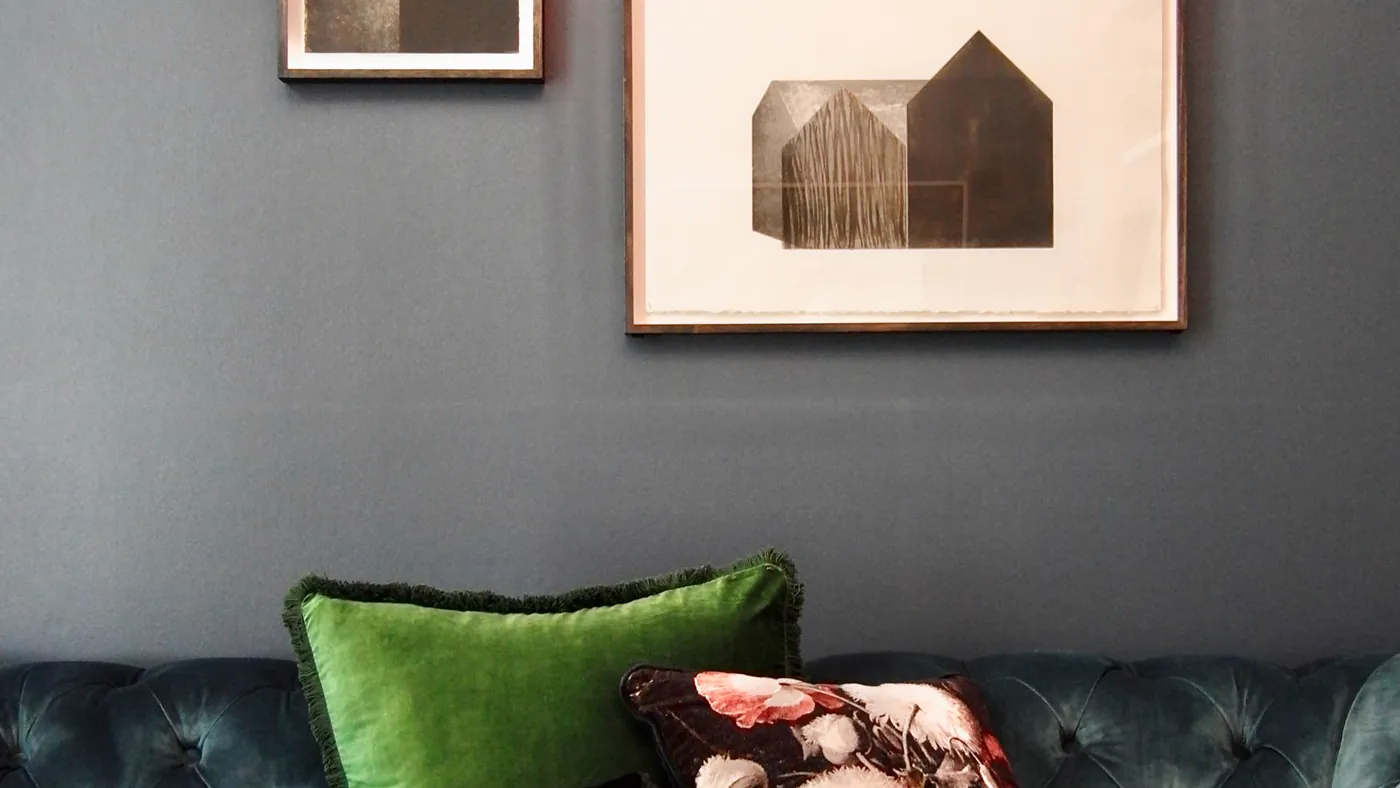
Full staging, partial staging, or just a very clean house, what each approach does, how occupied and vacant homes differ, and when paying for staging is not worth it.
Staging exists because buyers are not measuring square footage. They are imagining a life, and a room that photographs well and feels comfortable makes that easier.
That does not mean every house needs a staging invoice. Here is how to think about it without spending money you did not need to spend.
The Free Stuff Matters Most
Before any conversation about rented furniture, do the things that cost effort rather than money. In most cases they move the needle more than staging does.
Declutter aggressively. Not "tidy." Remove things. Counters, closets, corners, the garage. Closets that look full read as "not enough storage," even when the closet is fine.
Deep clean. Windows, baseboards, grout, appliances, light fixtures, and anything the previous owners of your cleaning standards have been avoiding. A spotless dated kitchen shows better than a dirty updated one.
Deodorize. Pets, smoke, cooking, and musty basements are the fastest way to lose a buyer, and you cannot smell your own house. Ask a blunt friend.
Depersonalize somewhat. You do not need a blank museum, but a wall of family photos pulls attention away from the house.
Light everything. Open blinds, replace dead bulbs, and match bulb color temperature within a room. Dim rooms photograph badly.
Fix the small stuff. Sticking doors, loose handles, running toilets, torn screens. Individually trivial, collectively they read as "poorly maintained."
Occupied Homes
If you are living in the house, the goal is usually editing rather than importing. Remove excess furniture to open up walking paths, pull back oversized pieces, clear counters down to a couple of items, and arrange rooms to show their purpose.
A room that has become a storage area should be given back an identity, an office, a guest room, something a buyer can picture.
Vacant Homes
Empty houses are where staging earns its reputation. Without furniture, rooms look smaller than they are, buyers cannot judge scale, flaws in flooring and walls get all the attention, and there is nothing to create warmth.
Vacant properties in higher price ranges are the clearest case for professional staging. Even partial staging of the main living areas and the primary bedroom can change how a home photographs and feels.
Partial and Virtual Options
Partial staging: stage only the rooms that drive the buyer's impression, the main living space, kitchen, and primary bedroom.
Consultation only: hire a stager for a couple of hours to walk the house and give you a plan you execute yourself. This is often the best value of anything in this article.
Virtual staging: furniture added digitally to photos. It can help buyers visualize, but it must be disclosed as virtually staged, and buyers who show up to a very different reality tend to feel misled. Use carefully and honestly.
Photography Is Where This Pays Off
Nearly every buyer meets your home online first. Staging and photography are one combined decision, great preparation shot badly is wasted, and clean bright photos of a well-prepared home is what actually generates showings.
Whatever you spend effort on, spend it before the photographer arrives, not after.
When Staging Does Not Make Financial Sense
Lower price points where the staging cost is a meaningful percentage of the likely difference in outcome.
Homes being sold as-is or to investors, where the buyer is evaluating the structure and the numbers rather than the vibe.
Properties where the real issue is condition or price. Staging does not fix a failing roof or an unrealistic list price, and a beautifully staged overpriced home is still an overpriced home. See How should I price my house to sell?
Situations where an occupied home is already well-furnished and simply needs editing.
The Honest Summary
Cleaning, decluttering, and good light are close to mandatory. Staging is a tool, not a requirement, and the right amount depends on whether the home is vacant, what price range it sits in, and how it currently shows.
Spend where it changes how the house looks in photos and how it feels in the first ten seconds inside the door. Skip the rest.
Related guides
More on selling a home.
- What Does It Cost to Sell a House in Spokane?Selling your home for a certain price doesn't mean that's what you'll walk away with. Learn how broker compensation, Washington excise tax, title and escrow fees, property taxes, and mortgage payoffs affect your net proceeds, and how to estimate your bottom line before you list.
- How Should I Price My House to Sell?Comparable sales, current competition, condition, and market feedback, how pricing actually works, why overpricing costs more than it seems to, and why the highest suggested price is not the best advice.
- How Long Does It Take to Sell a House?Days on market is only one chapter. Here is the full timeline from preparation through closing, what tends to stretch it, and what a seller can actually control.
- Should I Get a Home Inspection Before I List My House?An honest look at pre-listing inspections, the real advantages, the real drawbacks, what happens to what you learn, and the kinds of sellers who benefit most.
Start from the top of this topic: What Does It Cost to Sell a House in Spokane?